
Roofs Built for Business Operations
Commercial Roofing in Sachse for buildings requiring leak-free protection over inventory, equipment, and daily operations
Vanhook provides commercial roofing in Sachse for property managers and business owners who need reliable protection over warehouses, retail spaces, office buildings, and industrial facilities. Flat roofing systems and low-slope installations require different materials and installation methods than residential steep-slope roofs, and the consequences of failure include damaged inventory, interrupted operations, and costly interior repairs. Commercial buildings in this region face intense summer heat that accelerates membrane degradation, along with occasional hail storms that can puncture single-ply roofing materials.
The service includes new roof installation, complete tear-offs and replacements, and ongoing maintenance programs that extend system life through regular inspections and targeted repairs. Roof coatings applied to existing membranes can restore waterproofing and reflectivity without full replacement, while leak detection services identify problem areas before water reaches interior spaces. Preventative maintenance contracts address minor issues during scheduled visits rather than after leaks develop.
Schedule a property evaluation to identify specific roofing concerns and assess current system condition.
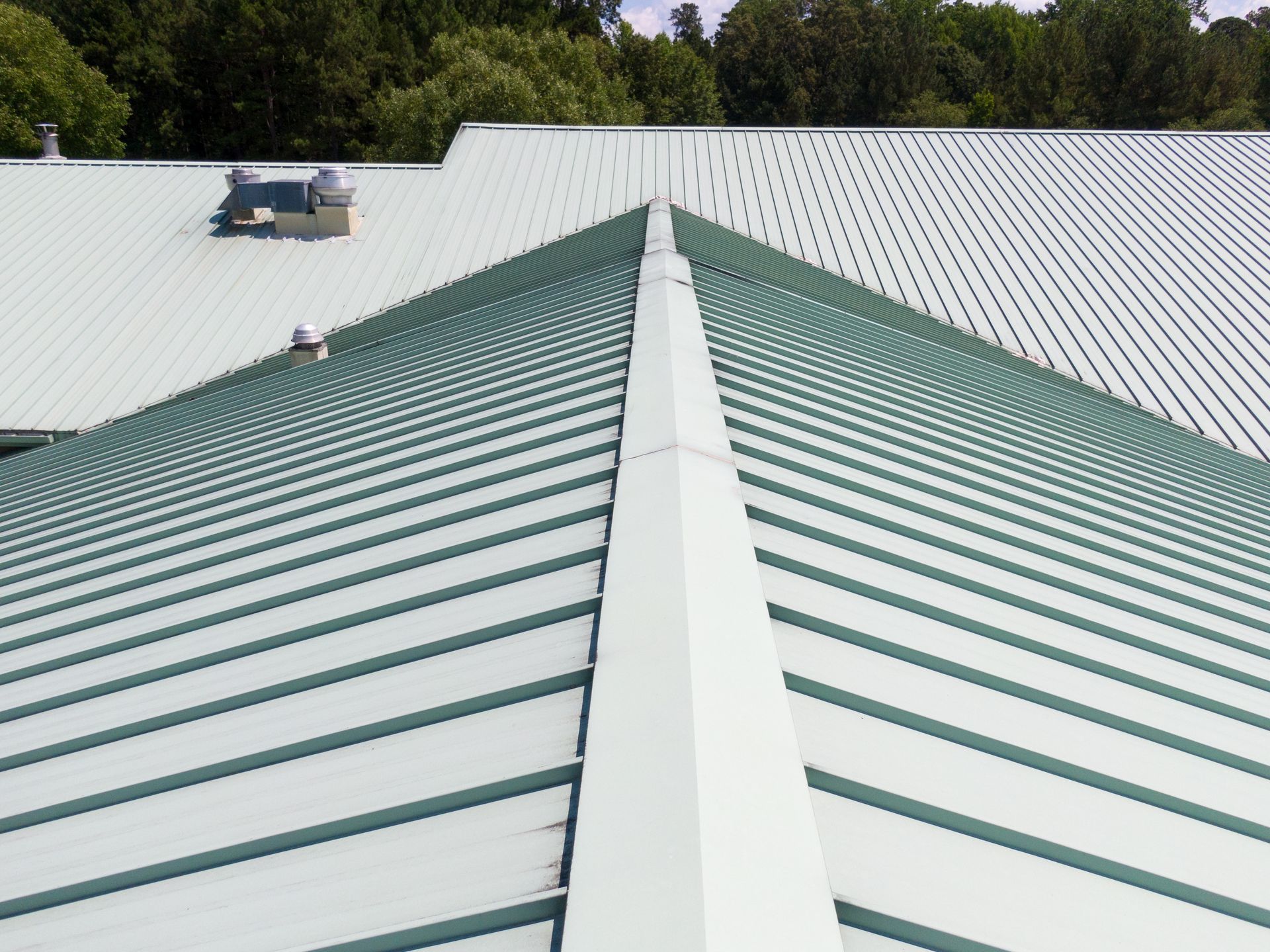
What Proper Commercial Roofing Requires
Commercial installations begin with substrate evaluation and drainage assessment, since flat roofs depend entirely on designed slopes and functional drains to move water off the surface. Material selection depends on building use, budget, and expected service life—TPO and EPDM membranes offer different performance characteristics, while modified bitumen systems provide multi-layer redundancy. Seams and penetrations around HVAC units, vents, and roof drains receive extra attention during installation because these areas account for most commercial roof leaks.
After installation completes, you notice water drains completely after rainfall rather than pooling in low spots, and interior spaces remain dry even during heavy storms. The roof surface reflects more sunlight if a white or light-colored membrane was installed, which reduces cooling loads during summer months. Properly flashed penetrations and sealed seams mean HVAC contractors can service rooftop units without creating new leak points.
Maintenance programs typically include two to four annual inspections where technicians clear drains, check flashing integrity, and address small punctures or seam separations before they expand. Some coating systems require reapplication every five to ten years to maintain waterproofing and UV protection. Buildings with high foot traffic from HVAC servicing may need walkway pads installed to prevent membrane damage.
Questions Property Managers Usually Ask
Business owners in Sachse often want to understand timelines, system options, and how to avoid operational disruptions during roofing work.
What happens during a commercial roof inspection?
Technicians walk the entire roof surface looking for ponding water, checking seam integrity, examining flashing around penetrations, and testing drain function, then provide a written report with photographs documenting current condition and recommended repairs.
How does a preventative maintenance program work?
Scheduled visits occur quarterly or semi-annually depending on building age and roof condition, addressing minor issues like cleared drains, resealed seams, and small patches before they develop into leaks that require emergency response.
What roofing system works best for flat commercial buildings?
TPO membranes offer heat-welded seams and strong weather resistance, EPDM provides proven longevity and easier repairs, while modified bitumen systems deliver multiple waterproofing layers, with selection depending on budget, expected lifespan, and whether you prioritize initial cost or long-term performance.
When should roof coatings be applied instead of full replacement?
Coatings extend the life of structurally sound roofs showing surface wear but no significant leaks or substrate damage, typically adding five to ten years of service at a fraction of replacement cost.
How long does commercial roof installation take?How long does commercial roof installation take?
Timeline depends on building size, weather conditions, and whether the project involves a simple overlay or complete tear-off, with most commercial projects requiring multiple days and scheduled around your operational needs to minimize business disruption.
Vanhook works with commercial property owners who need roofing systems installed correctly the first time and maintained properly afterward. Request a detailed estimate based on your building size, current roof condition, and operational requirements.