
Repairs That Stop Leaks Permanently
Roof Repair in Sachse for leak damage, missing shingles, and storm-related failures
A single missing shingle can allow water into the underlayment, where it spreads laterally before dripping through your ceiling—often several feet away from the actual roof penetration. Roof repair in Sachse addresses leak sources, damaged shingle replacement, compromised flashing around chimneys and vents, and wind or hail damage before minor problems escalate into structural issues. Vanhook uses leak detection methods that trace water entry points even when interior stains appear far from the exterior damage, then repairs the affected area with materials that match your existing roof.
Effective repair depends on identifying the root cause: a leak near a chimney usually involves failed flashing rather than shingle damage, while water stains along exterior walls often trace back to missing drip edge or clogged gutters forcing water under the roofline. Repairs include replacing damaged shingles with the same product line to maintain appearance and warranty coverage, resealing flashing joints, and addressing ventilation problems that cause moisture buildup from inside the attic.
Arrange an inspection to pinpoint leak sources and assess whether localized repair or broader intervention is needed.
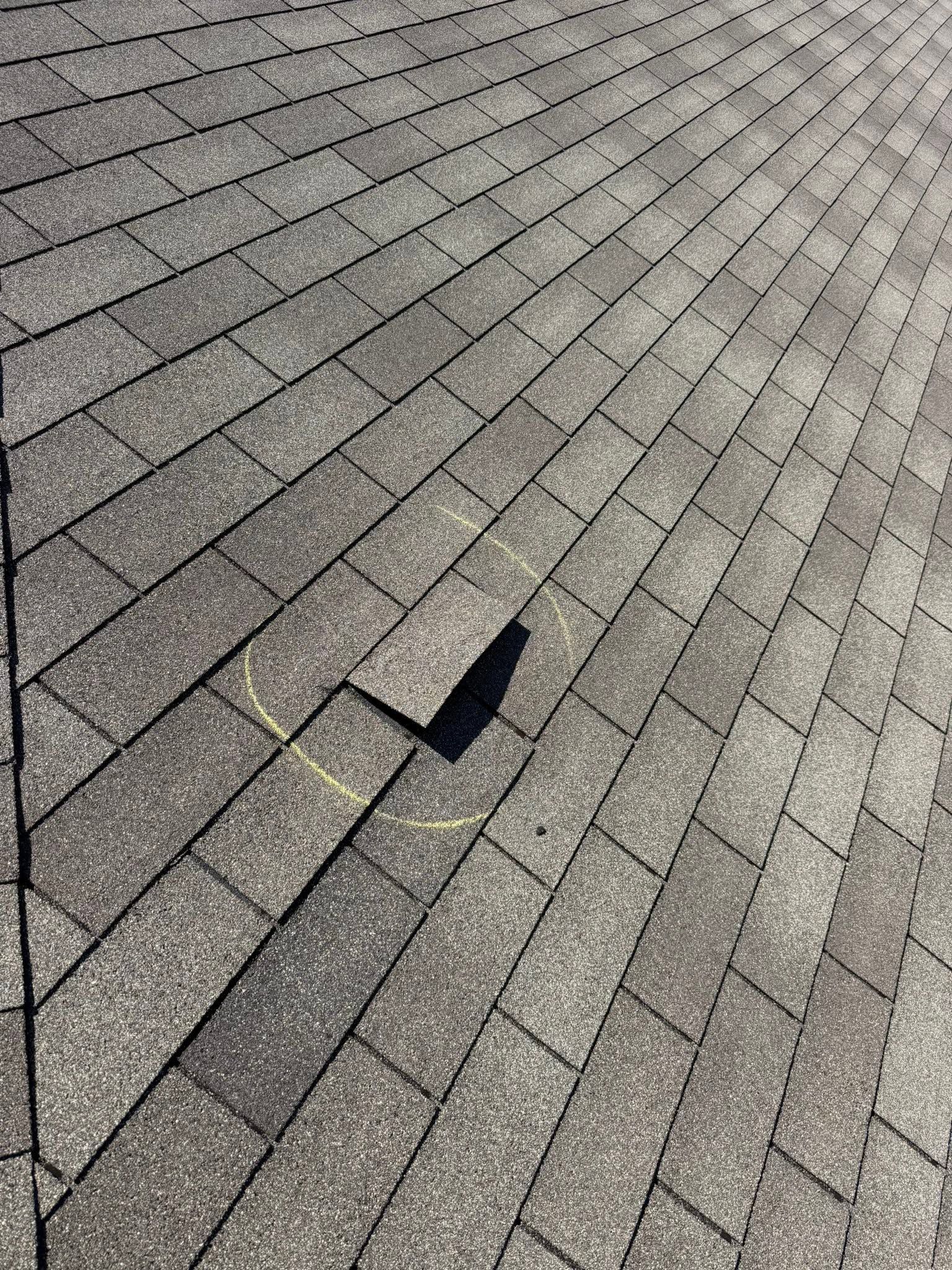
How Roof Repair Addresses Damage
Roof repair begins with identifying exactly where water enters, which may require removing shingles around suspected areas to inspect underlayment and decking for staining or rot. Vanhook evaluates whether damage is confined to surface materials or extends into structural layers, then determines the scope of repair needed to restore weatherproofing. Wind damage often lifts shingle edges without tearing them completely off, breaking the seal and allowing water infiltration that isn't immediately visible from the ground.
Once repairs are complete, you'll see no further water stains on ceilings after storms, no dark streaks or missing sections visible from the street, and restored protection around roof penetrations where flashing was re-secured. Preventative roof maintenance—scheduled inspections after hail storms or high winds—catches small problems like lifted shingles or worn sealant before they allow water into the structure. Emergency repair services address sudden damage that exposes your home to immediate weather infiltration, such as torn-off shingles or punctured roofing from falling branches.
Some repairs involve replacing a few damaged shingles, while others require stripping and rebuilding entire sections if water has compromised the underlayment or decking. Flashing repairs around chimneys and vent pipes often involve removing the surrounding shingles, installing new step flashing or counter flashing, then re-laying shingles to maintain proper water channeling. The longevity of repairs depends on using materials compatible with your existing roof and matching installation techniques to manufacturer standards.
Answers to Frequent Service Questions
Roof repair raises questions about when to act, what the process involves, and how to distinguish between cosmetic damage and functional problems.
How quickly should roof damage be repaired after a storm?
Missing shingles or visible punctures should be addressed within days to prevent water infiltration during the next rain, while less urgent issues like worn sealant or minor granule loss can be scheduled within a few weeks. Delaying repair allows water to reach underlayment and decking, which turns a simple shingle replacement into a more extensive project involving structural materials.
What causes flashing around chimneys to fail?
Flashing failure typically results from sealant deterioration, thermal expansion and contraction that loosens fasteners, or improper installation that didn't integrate step flashing with shingle layers. Sachse's temperature swings—freezing winter nights followed by hot afternoons—accelerate sealant breakdown and metal fatigue in flashing systems.
Can hail damage be repaired without replacing the entire roof?
If hail impacts are localized to one slope or section, targeted shingle replacement restores function without full roof replacement, though insurance adjusters often recommend replacement if damage exceeds a certain density threshold. Asphalt shingles show hail damage as circular bruises with exposed granule loss, while metal roofing may dent without losing weatherproofing capacity.
Why do leaks sometimes appear far from the actual roof damage?
Water entering through a roof penetration follows the nearest decking seam or rafter until gravity pulls it through a ceiling joint, which can be ten feet or more from the entry point. Tracing leaks requires inspecting the attic during or immediately after rain to follow water trails back to their source.Water entering through a roof penetration follows the nearest decking seam or rafter until gravity pulls it through a ceiling joint, which can be ten feet or more from the entry point. Tracing leaks requires inspecting the attic during or immediately after rain to follow water trails back to their source.
What does preventative roof maintenance involve?
Scheduled maintenance includes inspecting shingles for wind lift or granule loss, clearing debris from valleys, checking flashing sealant around penetrations, and verifying that ventilation systems aren't blocked. Catching small issues during routine inspections prevents the need for emergency repair services after damage has already allowed water into your home.
Vanhook responds to emergency repair needs and schedules non-urgent maintenance to extend roof lifespan and prevent costly interior water damage. Contact our team to report storm damage or schedule a routine roof inspection in Sachse.