
Metal Systems Built to Last Generations
Metal & Copper Roofing in Sachse for low-maintenance, long-lasting roof installations
Standing seam metal roofing uses vertical panels with raised seams that interlock and conceal all fasteners, eliminating the exposed screws that cause leaks as rubber washers deteriorate over time. Vanhook installs both standing seam and corrugated metal roofing systems in Sachse, along with custom copper roofing that develops a natural patina and can remain functional for a century or more with minimal maintenance. Metal roofs reflect solar heat rather than absorbing it like asphalt, which reduces attic temperatures and lowers cooling costs during Texas summers when roof surface temperatures exceed 160 degrees.
Metal roofing installation requires specialized tools for cutting panels to exact lengths, forming seams that allow thermal expansion without buckling, and attaching clips that secure panels while permitting movement. Corrugated metal roofing—characterized by repeating wave patterns—costs less than standing seam profiles but uses exposed fasteners that need periodic inspection and re-sealing. Copper roofing systems represent the premium end of metal options, offering unmatched longevity and distinctive appearance as the material weathers from bright copper to brown and eventually verdigris green.
Request a project consultation to evaluate whether your home's structure can support metal roofing and discuss panel profiles suited to your design preferences.
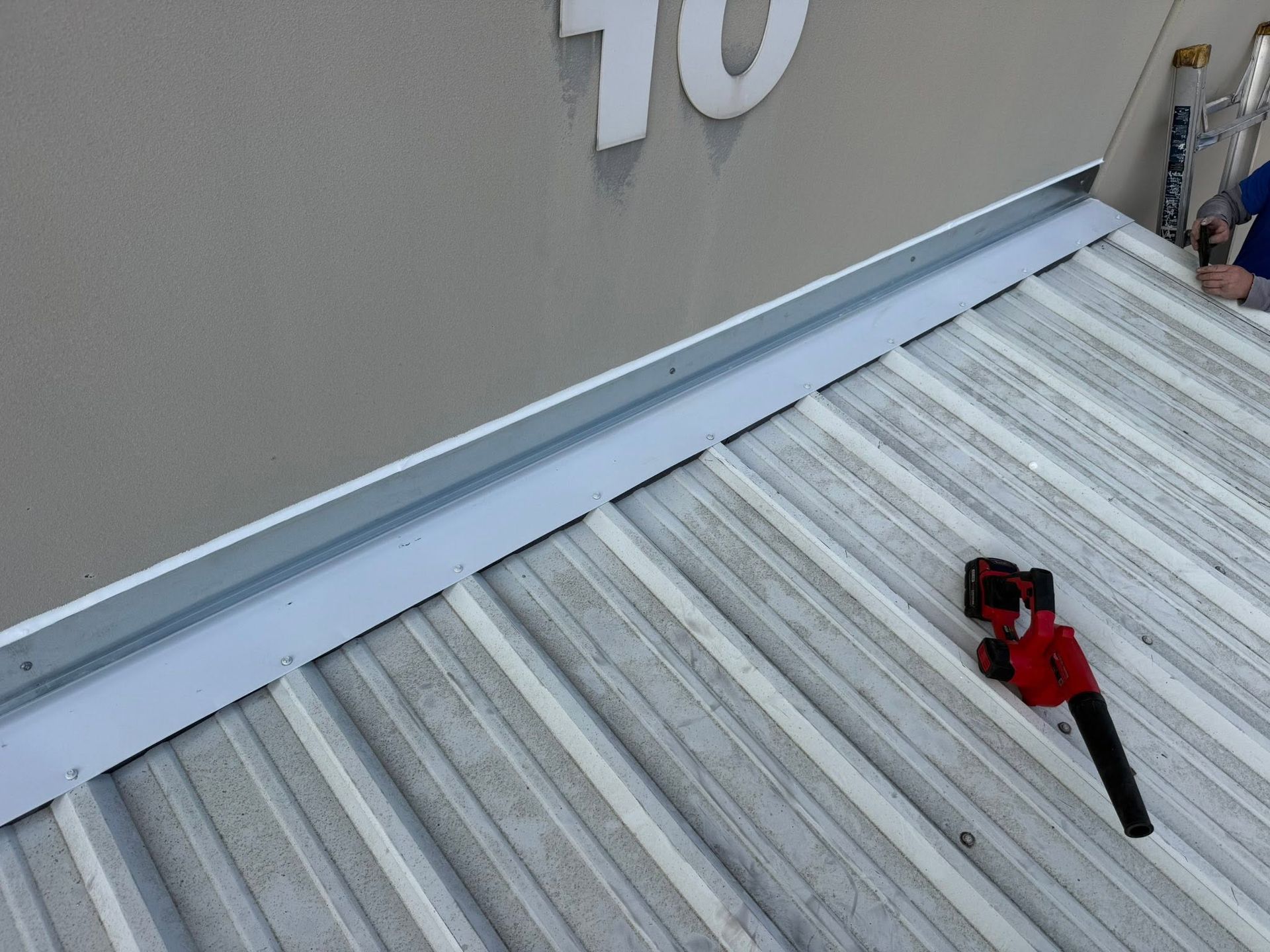
Why Metal Roofing Works for Decades
Metal roof replacement involves removing old roofing materials, installing synthetic underlayment rated for metal applications, and attaching panels using clip systems that accommodate expansion and contraction as temperatures fluctuate. Vanhook ensures proper ventilation above and below metal roofing to prevent condensation buildup, which can rust fasteners and degrade underlayment over time. Panel overlaps, ridge caps, and valley treatments must be sealed and fastened according to manufacturer specifications to maintain wind ratings and prevent water infiltration during heavy rain.
Once metal roofing is installed, you'll notice significantly lower attic heat compared to asphalt roofs, no moss or algae growth on the surface, and a roofline that remains straight and uniform without the waviness that develops as asphalt shingles age. Metal roofs handle hail impact without the fracturing or granule loss that affects asphalt, though denting can occur with large hail stones—typically without compromising weatherproofing. Metal roof repairs usually involve replacing individual panels or re-sealing fasteners rather than patching, since the material itself doesn't deteriorate the way organic roofing products do.
Low-maintenance characteristics mean metal roofing requires only periodic inspections to verify that fasteners remain tight, sealant around penetrations hasn't cracked, and debris hasn't accumulated in valleys. Standing seam systems eliminate most maintenance concerns by concealing fasteners entirely, while corrugated profiles may need fastener replacement every fifteen to twenty years as rubber washers harden and lose compression. Copper roofing develops patina naturally and needs no coating or treatment, though some property owners apply sealants to halt patina development if they prefer the bright copper appearance.
Questions Before Starting Your Project
Metal and copper roofing involve higher upfront costs and different installation requirements compared to asphalt, which raises questions about performance, longevity, and value.
What's the lifespan difference between metal and asphalt roofing?
Metal roofing systems typically last fifty to seventy years with minimal maintenance, while asphalt shingles require replacement every fifteen to thirty years depending on product quality and climate exposure. Copper roofing can remain functional for over a century, making it the longest-lasting residential roofing material available.
How does metal roofing perform during hailstorms?
Metal panels resist puncture and water infiltration better than asphalt shingles, though large hail can cause cosmetic denting without compromising function. Standing seam profiles with concealed fasteners maintain weatherproofing even when panels dent, while corrugated profiles with exposed fasteners may develop leaks if impact damages fastener seals.
Why does standing seam metal cost more than corrugated profiles?
Standing seam systems require specialized equipment to form interlocking seams on-site, use concealed clip fastening systems that eliminate exposed screws, and involve more labor-intensive installation. The result is superior weather resistance and virtually no maintenance, but material and installation costs run fifty to seventy percent higher than corrugated alternatives.
Can metal roofing be installed over existing shingles?
While technically possible, installing metal over asphalt conceals decking problems, traps moisture that accelerates rust, and voids most manufacturer warranties. Proper metal roof installation requires removing old materials, inspecting and repairing decking, and installing appropriate underlayment designed for metal applications.
How does Sachse's climate affect metal roofing performance?
High summer temperatures cause metal panels to expand, which is why clip fastening systems allow movement without buckling or tearing fasteners. Metal roofing reflects heat rather than absorbing it, which keeps attics cooler and reduces air conditioning loads compared to dark asphalt shingles that reach extreme surface temperatures during afternoon sun exposure.
Vanhook installs standing seam, corrugated, and custom copper roofing systems with fastening methods and underlayment appropriate for long-lasting performance. Call (469) 823-1010 to discuss metal roofing options and receive a detailed estimate based on your roof dimensions and panel preferences.