
Specialized Systems for Unique Requirements
Tile & Flat Roofing in Sachse for concrete tile, clay tile, and commercial-grade flat roof installations
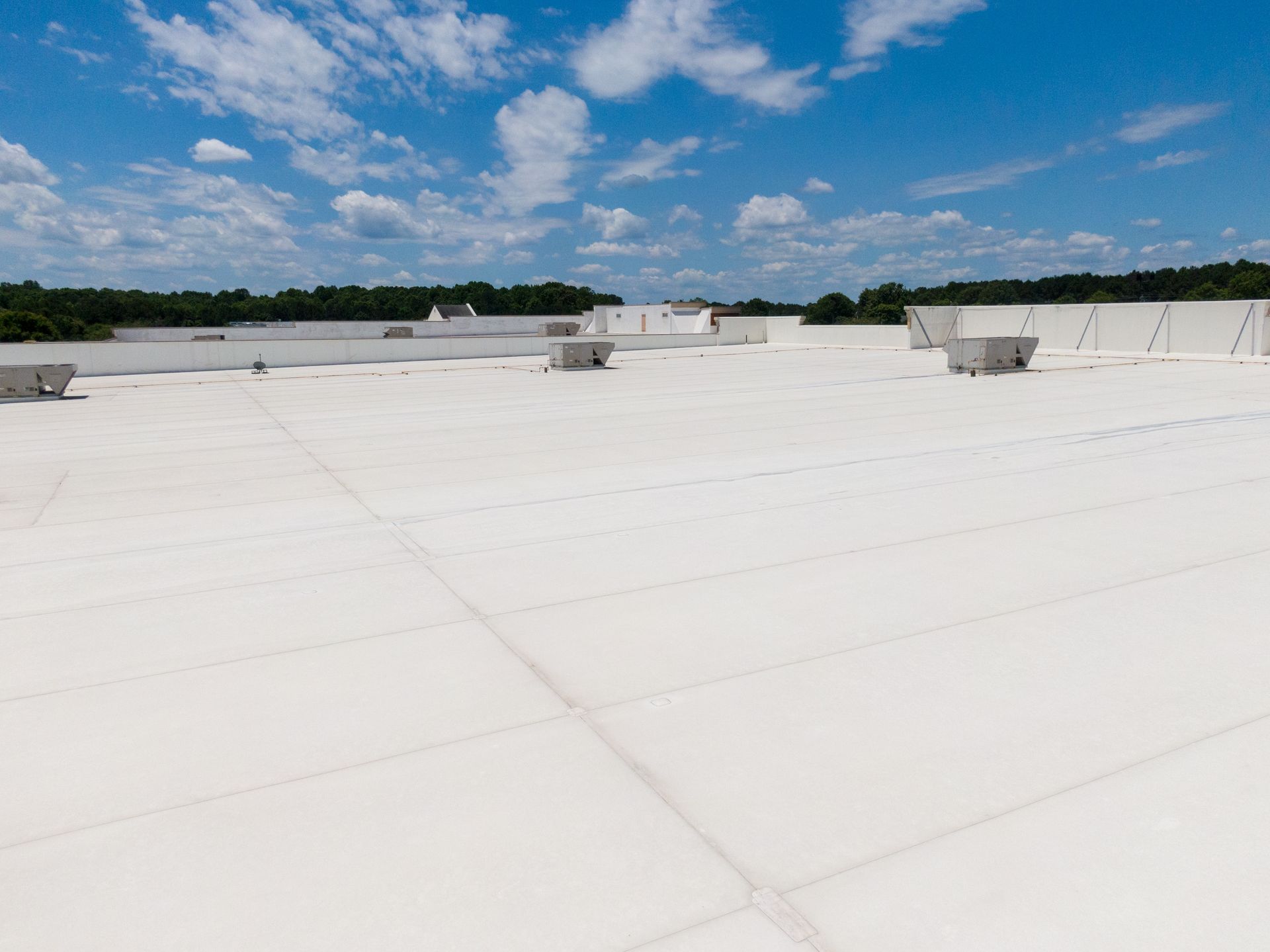
Flat roof installation demands precise attention to drainage and membrane sealing because even slight water pooling accelerates wear and leads to leaks that damage interior finishes and structural framing. Vanhook handles both residential flat roofing—often used on porch coverings, garages, and modern architectural designs—and commercial flat roofing for low-slope buildings where traditional pitched roofing isn't feasible. TPO, EPDM, and modified bitumen systems each offer different performance characteristics: TPO provides heat-reflective white surfaces that reduce cooling costs, EPDM offers proven durability in a rubber membrane format, and modified bitumen uses torch-applied or self-adhering layers for multi-ply waterproofing.
Tile roofing—whether concrete or clay—requires structural evaluation before installation because tiles weigh significantly more than asphalt shingles, often exceeding nine hundred pounds per roofing square compared to two hundred pounds for standard shingles. Clay tile provides traditional Mediterranean or Spanish aesthetics with fifty-plus-year lifespans, while concrete tile offers similar durability at lower cost with a wider range of colors and profiles. Tile roof repairs typically involve replacing individual broken tiles rather than entire sections, since the material itself doesn't deteriorate but can crack from impact or stress.
Schedule a property evaluation to determine whether your structure can support tile roofing or to assess drainage requirements for flat roof applications.
What Tile and Flat Roofing Actually Accomplish
Flat roof systems prioritize waterproofing over water shedding, relying on membrane integrity and proper slope—typically a quarter inch per foot minimum—to move water toward drains or scuppers. Flat roof maintenance includes inspecting seams where membrane sections join, checking that drains remain clear of debris, and verifying that roof-mounted equipment hasn't damaged the waterproof layer. Modified bitumen systems use multiple plies for redundancy, so minor surface damage doesn't immediately cause leaks, while single-ply TPO or EPDM membranes require careful installation to avoid punctures or tears.
After tile roofing installation, you'll notice a roof surface that doesn't fade or deteriorate visibly over decades, natural thermal mass that moderates attic temperature swings, and a distinctive appearance that significantly alters your home's architectural character. Concrete and clay tiles don't support moss or algae growth the way asphalt shingles do, and they resist fire, hail, and wind damage better than most roofing materials. Underlayment beneath tiles must be UV-resistant because tiles don't seal tightly—gaps between them allow airflow that extends underlayment life but require high-quality materials that can handle sun exposure.
Flat roofing requires different maintenance than pitched roofs: you must keep drains clear, inspect seams annually for separation, and address any ponding water that remains more than forty-eight hours after rain. TPO and EPDM membranes can be walked on for maintenance but are vulnerable to puncture from sharp objects or careless foot traffic. Commercial applications often include additional protective layers or ballast to shield membranes from UV exposure and physical damage.
What Homeowners Usually Want to Know
Tile and flat roofing systems involve specialized installation requirements and performance characteristics that differ significantly from conventional asphalt roofing.
What structural modifications does tile roofing require?
Most homes built for asphalt shingles need additional rafter support or closer truss spacing to carry tile weight safely, which can add several thousand dollars to project costs. A structural engineer evaluates your framing and specifies reinforcement needed to meet building code load requirements before tile installation begins.
How is flat roofing sloped for drainage?
Flat roofs aren't truly flat—they require minimum slope created either by tapered insulation, sloped structural decking, or crickets that direct water toward drains. Inadequate slope causes ponding water that degrades membranes, promotes vegetation growth, and eventually leads to leaks as UV exposure and standing water break down roofing materials.
Why do tile roofs last so much longer than asphalt?
Clay and concrete tiles don't contain organic materials that deteriorate from UV exposure, don't support algae growth, and resist thermal cycling without cracking. The underlayment beneath tiles typically fails before the tiles themselves, requiring periodic underlayment replacement while reusing the original tiles.
What's the difference between TPO, EPDM, and modified bitumen?
TPO is a single-ply thermoplastic membrane heat-welded at seams, providing reflective white surfaces and good chemical resistance. EPDM is a rubber membrane adhered or mechanically fastened with taped seams, offering proven durability and lower cost. Modified bitumen uses asphalt-based plies torch-applied or self-adhered for multi-layer waterproofing, often preferred in commercial applications.
Can flat roofs handle Sachse's weather extremes?
Properly installed flat roofing systems withstand temperature swings, UV exposure, and occasional hail, though membrane selection matters—TPO offers better heat reflection for cooling cost reduction, while EPDM provides superior cold-weather flexibility. Flat roof maintenance becomes critical in this climate to address any membrane damage before leaks develop.
Vanhook provides tile roof installation and repair along with flat roofing systems for residential and commercial applications in Sachse. Call (469) 823-1010 to discuss structural requirements for tile roofing or membrane options for flat roof projects.