
Exteriors Rebuilt After Severe Weather
Storm Damage Restoration in Sachse for properties hit by hail, wind, or fallen debris requiring insurance-documented repairs
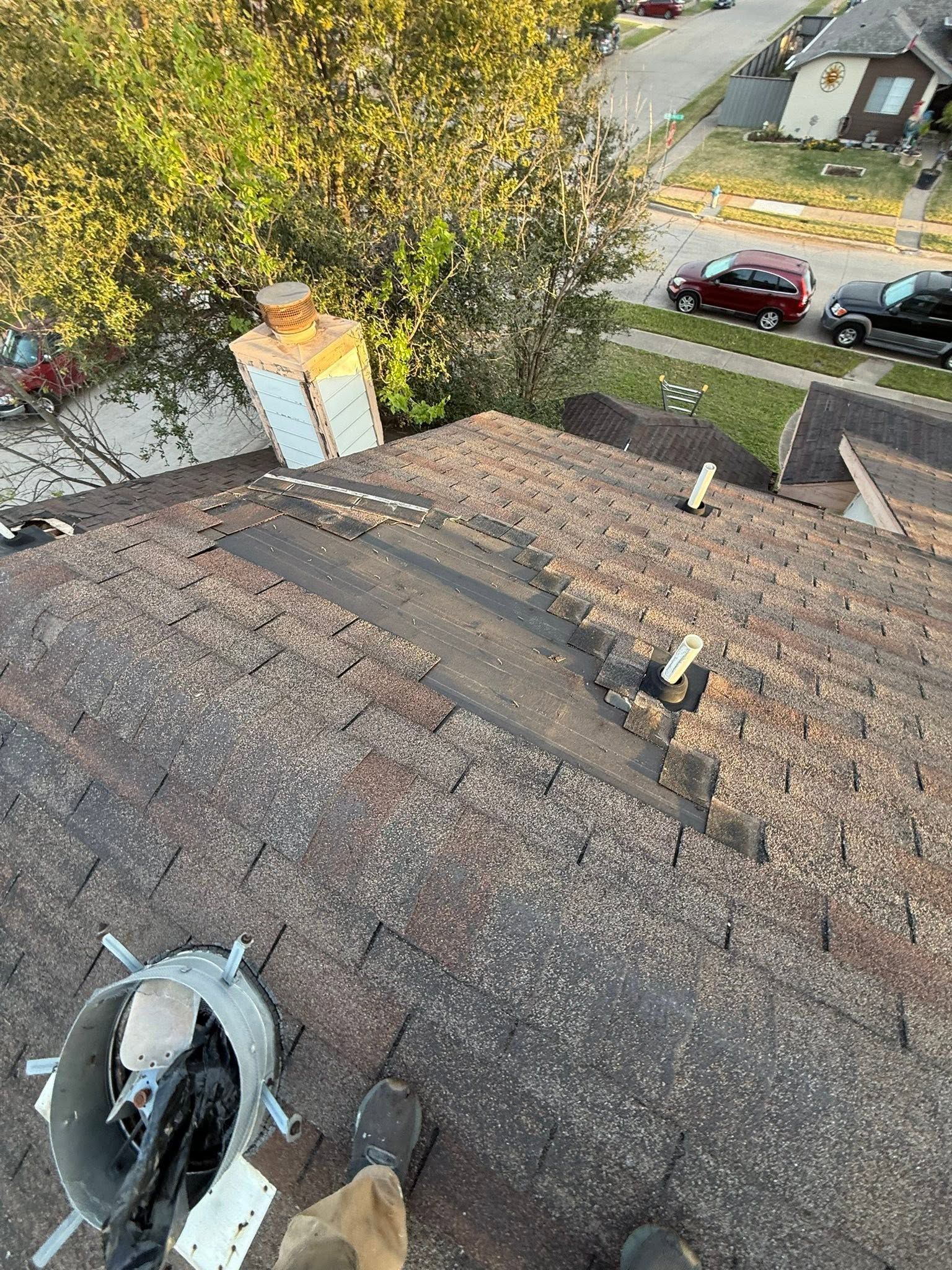
Hail storms move through North Texas with enough frequency that most roofs will face impact damage during their lifespan, while straight-line winds can lift shingles, tear off flashing, and send tree limbs through siding and gutters. Vanhook handles storm damage restoration in Sachse for homeowners and business owners dealing with visible exterior damage that needs professional assessment, documentation for insurance purposes, and complete repair across all affected building components. Wind-driven rain often enters through compromised roof penetrations or torn siding, causing interior damage that extends beyond what's visible from the ground.
The restoration process includes post-storm inspections that document all damage with photographs and measurements, assistance navigating insurance claims and adjuster meetings, and coordinated repairs addressing roofing, siding, gutters, and other exterior elements damaged in the same event. Emergency repairs stabilize the property immediately after storms, while full restoration waits for insurance approval and material ordering.
Arrange an on-site inspection to document storm damage before weather causes further deterioration.
How Storm Restoration Addresses Multiple Systems
Comprehensive inspections assess every exterior surface because storms rarely damage just one building component—hail dents roofing and metal flashing while also cracking vinyl siding, wind tears off ridge caps while bending gutter hangers, and falling branches puncture multiple layers. Insurance documentation requires detailed records showing impact locations, measurement of dent depths or crack lengths, and photographs from multiple angles. Claims assistance includes meeting with adjusters on-site, providing documentation that supports full scope repairs rather than partial fixes, and clarifying which damage resulted from the recent storm versus prior wear.
Once repairs finish, you see consistent color and texture across replaced sections, roofs that shed water without leaks at previous impact points, and siding that sits flat against the wall without cracks or gaps. Gutters hang level and drain properly after bent sections are replaced, and flashing around chimneys and vents lies sealed against the roof deck. Interior ceilings and walls remain dry during subsequent rainfall because roof penetrations and siding breaches have been sealed.
Complete exterior restoration often involves multiple trades working in sequence—emergency tarping and board-up first, then roofing, followed by siding and trim, with gutter installation completing the project. Some insurance policies cover temporary housing if storm damage makes the property uninhabitable during repairs, while depreciation holdback means you receive full payment only after work is finished and documented.
Answers to Frequent Service Questions
Property owners in Sachse need clarity on insurance processes, repair timelines, and what happens between initial damage and completed restoration.
What happens during a storm damage inspection?
The inspection covers all exterior surfaces visible from the ground and roof, documenting hail impact locations, measuring dent sizes, photographing torn or lifted materials, and checking for less obvious damage like cracked flashing or compromised sealants that may not be apparent without close examination.
How does insurance claim assistance work?
Assistance includes compiling documentation before the adjuster visit, being present during the inspection to point out all damage, providing supplemental estimates if the initial claim undervalues repairs, and communicating with the insurance company throughout the approval and payment process.
When should emergency repairs happen versus waiting for full restoration?
Emergency tarping and temporary weatherproofing should occur within hours of storm damage to prevent additional water intrusion, while full restoration waits for insurance approval, material availability, and weather conditions suitable for permanent installation.
What's included in complete exterior restoration?
Restoration addresses every damaged component identified in the insurance claim, which typically includes roofing materials and underlayment, siding and trim replacement in affected areas, gutter sections, damaged flashing, and sometimes window or door components if impact damage occurred.
How long does restoration take after insurance approval?
Timeline depends on material lead times, weather windows suitable for installation, and project scope, with most residential restorations requiring one to three weeks once materials arrive and conditions allow work to proceed.
Vanhook coordinates every step from initial damage assessment through final insurance payment, handling communication with adjusters and scheduling all trades. Contact us to begin documentation if your property sustained recent storm damage.