
Roofs Built for Decades of Weather
Roof Replacement in Sachse for homes with aging or storm-damaged roofing systems
When your roof reaches the end of its functional life—typically marked by widespread granule loss, curling shingles, or recurring leaks in multiple areas—replacement becomes the most reliable option. Vanhook handles complete residential roof replacements in Sachse, removing old roofing materials down to the decking and installing new systems built to current building codes. The choice of material affects both immediate cost and decades of performance, whether you select asphalt, metal, tile, or flat roofing configurations.
Full roof replacement addresses structural vulnerabilities that repair cannot fix, including deteriorated underlayment, compromised decking, and outdated ventilation systems that reduce energy efficiency. The process involves tearing off existing layers, inspecting and replacing damaged decking, installing ice and water shield in vulnerable areas, and laying down a complete new roofing system with manufacturer-approved fastening patterns. Energy-efficient roofing systems incorporate reflective materials and proper attic ventilation to reduce cooling loads during Texas summers.
Request a roof inspection to evaluate decking condition and discuss material options suited to your property.
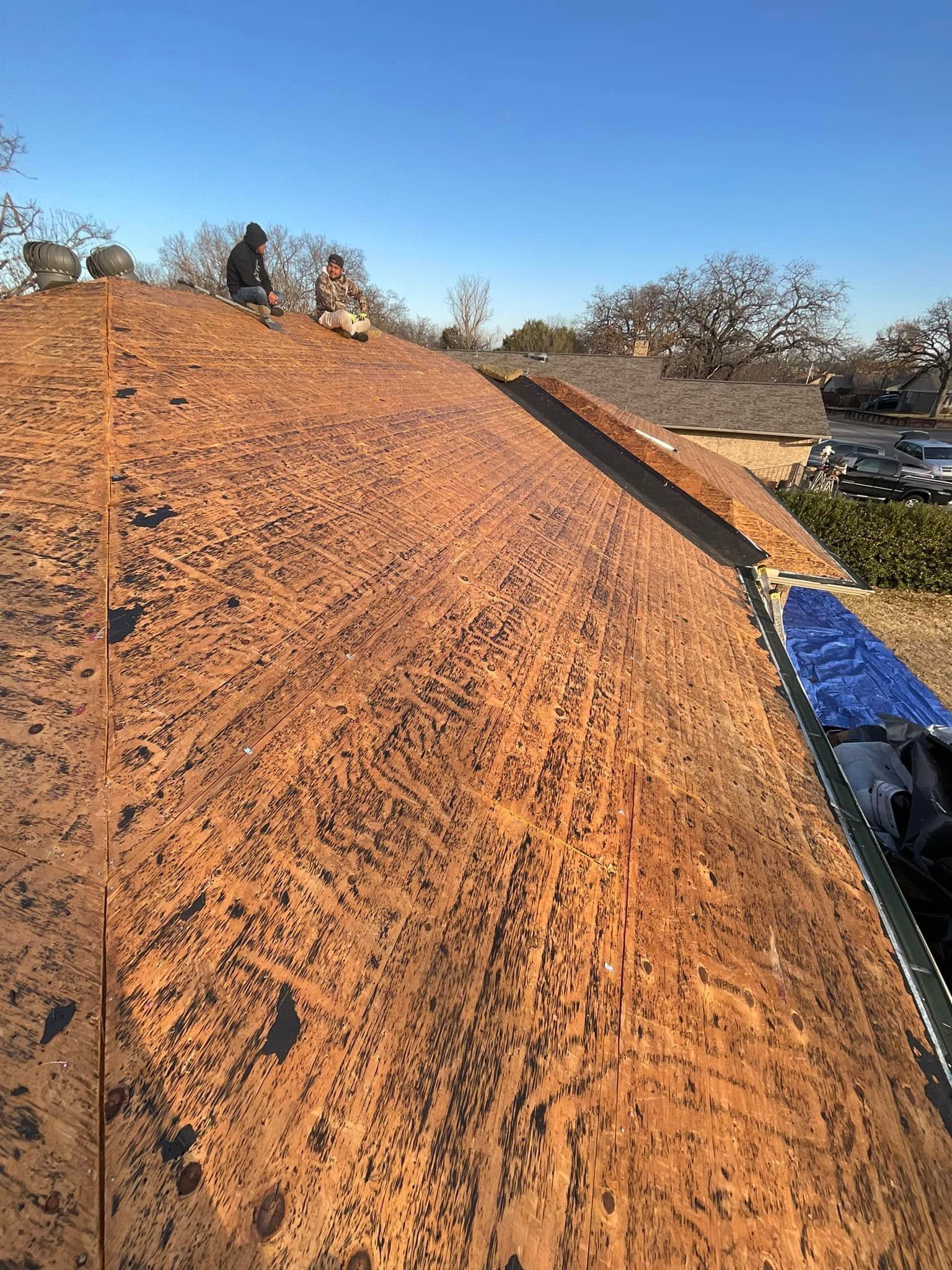
What Proper Roof Replacement Requires
Roof replacement begins with complete removal of old materials, which allows inspection of the roof deck for rot, warping, or structural damage that must be addressed before new materials go down. Vanhook evaluates decking integrity, replaces compromised sections, and verifies that ventilation systems meet current standards to prevent moisture buildup and premature material failure. Installation follows manufacturer specifications for fastener type, spacing, and underlayment application to maintain warranty coverage.
After the new roof is installed, you'll notice improved indoor temperature stability, no water stains on ceilings following storms, and a clean roofline free of the sagging or waviness that signals decking problems. Properly installed roofing systems include drip edge, flashing around penetrations, and sealed valleys that direct water away from vulnerable joints. The difference between a roof that lasts fifteen years and one that lasts thirty often comes down to decking preparation and fastening precision during installation.
Material selection depends on your home's structural capacity—tile and slate require stronger framing than asphalt or metal—and your priorities around longevity, appearance, and energy performance. Asphalt shingles offer the most affordable initial cost with fifteen- to thirty-year lifespans, while metal roofing systems last fifty years or more with minimal maintenance. Flat roofing requires careful attention to drainage and membrane sealing to prevent ponding water, which accelerates wear.
What Property Owners Usually Ask
Roof replacement involves multiple decisions about materials, timing, and what the process includes, especially for homeowners managing this project for the first time.
What determines whether repair or replacement makes more sense?
If damage covers more than thirty percent of the roof surface, or if the roof is within five years of its expected lifespan, replacement typically offers better long-term value than repeated repairs. Isolated damage from a recent storm may warrant repair, but widespread wear—curling shingles, missing granules across multiple sections, or frequent leaks—indicates the entire system is failing.
How does material choice affect installation time and cost?
Asphalt shingle installation typically takes one to three days for most residential roofs and offers the lowest material cost, while metal roofing requires more specialized labor and fastening systems that extend installation time and upfront expense. Tile roofing demands structural reinforcement in many cases, adding both time and cost, but provides fifty-year longevans in Sachse's climate.
What happens to the old roofing materials?
Complete tear-off generates significant debris—old shingles, underlayment, flashing, and damaged decking—that must be removed and disposed of properly. Most contractors include debris removal and dumpster fees in project estimates, though you should confirm what cleanup involves before work begins.
How do Sachse weather patterns affect roofing material selection?
High summer heat and occasional hail favor impact-resistant shingles rated for hail damage, while metal roofing reflects solar heat and resists wind uplift during storms. Flat roofing systems in this region require UV-resistant membranes that withstand prolonged sun exposure without cracking or blistering.
What does a roofing warranty actually cover?What does a roofing warranty actually cover?
Material warranties cover manufacturing defects but not installation errors, storm damage, or normal wear, while workmanship warranties from the contractor address installation problems that cause leaks or premature failure. Long-lasting warranties depend on both quality materials and installation that follows manufacturer guidelines for fastening, ventilation, and flashing details.
Vanhook provides detailed project estimates that outline material options, installation timelines, and warranty coverage for residential roof replacements. Schedule a consultation to review your roof's condition and discuss systems suited to your home's structure and your long-term plans.